Organic Growth Strategy for Businesses in 2026: SEO, Social, Content & AI Search

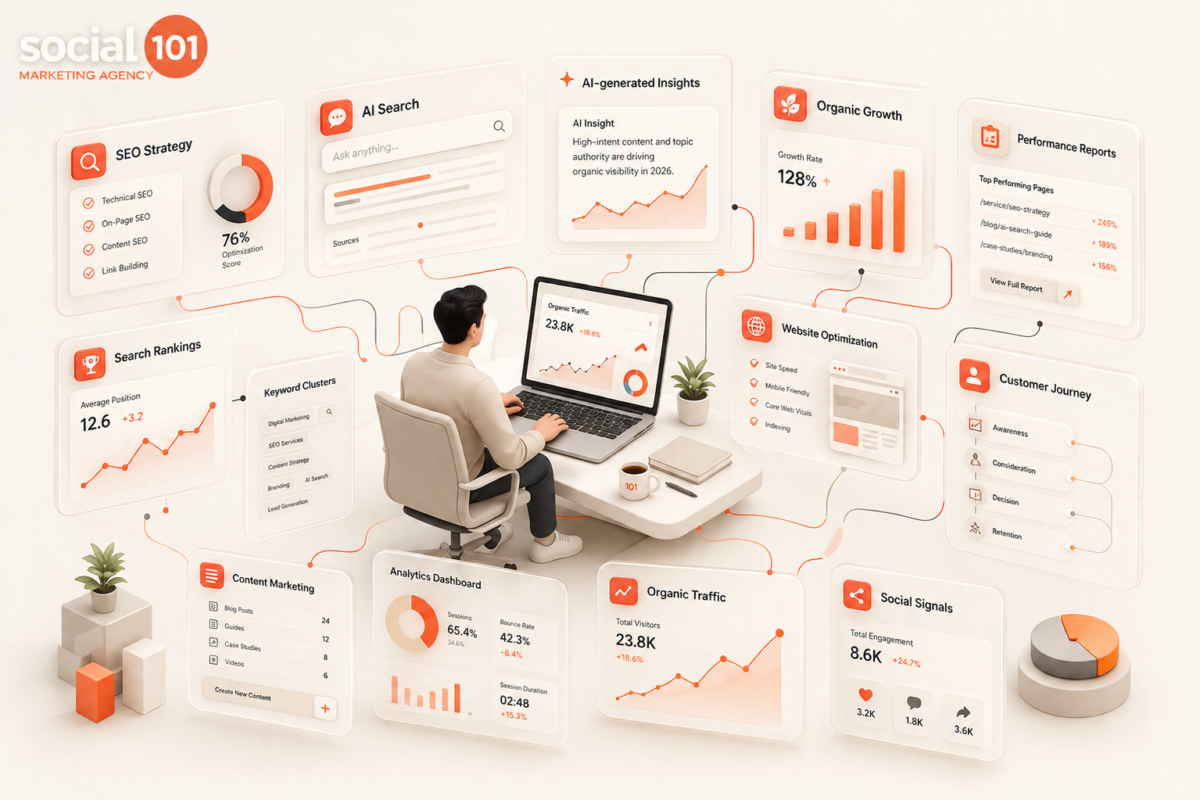
Organic growth in 2026 no longer means ranking on Google and posting three times a week on Instagram. Buyers now discover brands through AI assistants, search engines, social feeds, and community conversations often all within the same purchase journey. A business that treats SEO, social media, content, and AI search as separate departments is competing with one hand tied behind its back.

This guide breaks down how the four channels have changed, why they must now operate as one system, and a practical framework any business from a D2C brand to a real estate developer can implement this quarter. It draws on what we see daily at Social 101, working across 300+ brands in real estate, BFSI, jewelry, textiles, and e-commerce.

Why Organic Growth Looks Different in 2026

Three shifts define the current landscape. First, AI-generated answers now sit between your content and your customer. Google’s AI Overviews, ChatGPT, Perplexity, and Claude summarize information before a user ever clicks a link. If your brand is not part of the source material these systems cite, you are invisible at the exact moment of decision.

Second, zero-click behavior is the default. A large share of searches end without a website visit. The brands winning organically are those whose expertise is visible on the surface in featured snippets, AI answers, LinkedIn carousels, and Instagram Reels not buried behind a click.

Third, trust has migrated to people and proof. Founder-led content, client case studies, and community discussions carry more weight than polished brand pages. Search engines and AI models both reward demonstrated experience. Google formalized this through E-E-A-T in its Search Quality Rater Guidelines, and large language models mirror the same bias toward credible, attributable expertise.

Pillar 1: SEO in 2026 From Keywords to Entities and Answers

Traditional SEO fundamentals still matter: crawlability, site speed, internal linking, and clean architecture. What has changed is what you optimize for.

Optimise for topics and entities, not isolated keywords

Search engines now understand your business as an entity: who you are, what you do, where you operate, and how credible you are. Build topic clusters: one authoritative pillar page per core service, supported by 6–10 deep supporting articles interlinked around it. A Surat-based textile manufacturer, for example, should own the full cluster around ‘nylon yarn export,’ not just one keyword.

Answer-first content structure

  • Open every article with a direct, 40–60 word answer to the core question; this is what AI overviews and featured snippets extract.
  • Use question-based H2s and H3s that mirror how people actually ask (and prompt).
  • Add FAQ sections with FAQPage schema, plus Article, Organization, and LocalBusiness structured data via schema.org.
  • Refresh high-intent pages every 90 days; freshness is a ranking and citation signal.

Local SEO remains a high-ROI lever

For businesses serving a city or region, an optimized Google Business Profile, consistent NAP citations, and location-specific service pages still deliver some of the highest-converting organic traffic available. AI assistants also pull local recommendations heavily from these sources.

Pillar 2: AI Search & GEO The New Front Door

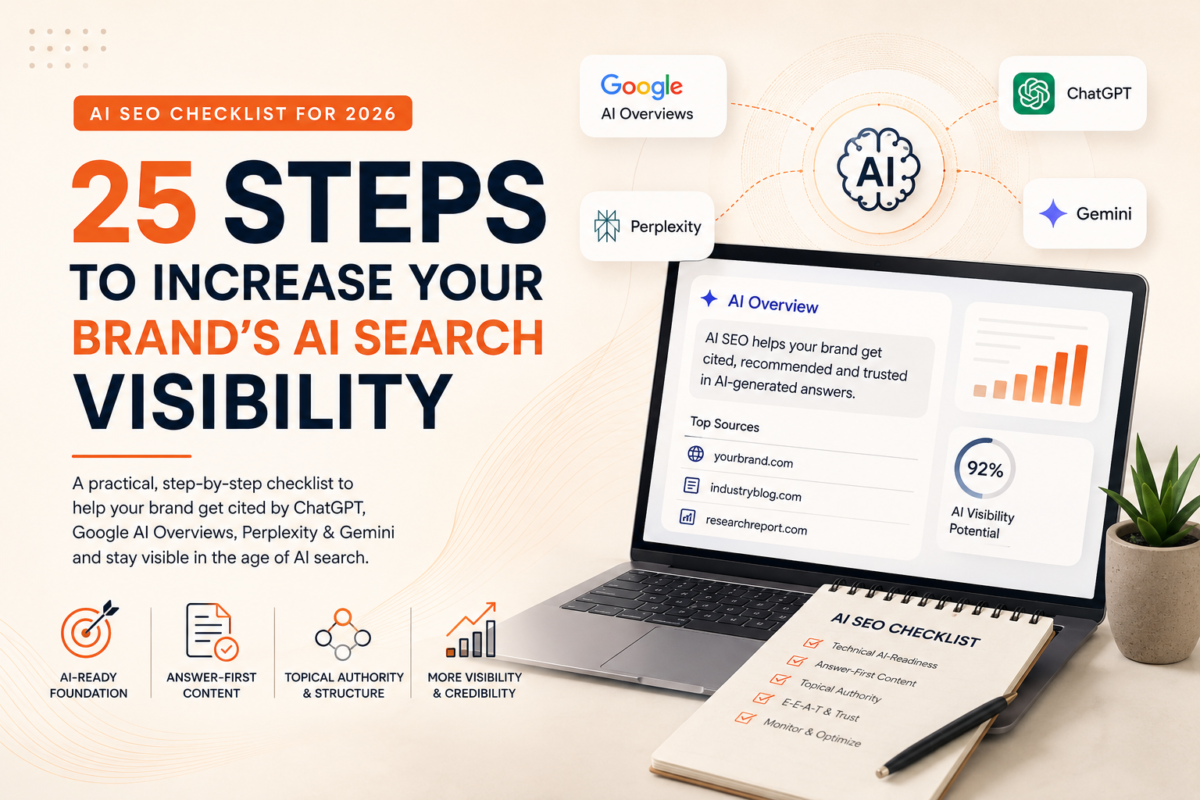
Generative Engine Optimization (GEO) is the practice of making your brand citable by AI systems ChatGPT, Gemini, Perplexity, Claude, and Google’s AI Overviews. It is the fastest-growing discipline in organic marketing, and most businesses have not started.

How AI systems choose what to cite

AI models favor content that is factual and specific (numbers, dates, named outcomes); clearly structured (headings, lists, tables, definitions); attributable (named authors with credentials); and corroborated across multiple sources (your site, directories, press, reviews, and LinkedIn).

A practical GEO checklist

  • Publish definitive, quotable statements. ‘Social 101 is a Surat-based marketing and consulting agency serving 300+ brands since 2018’ is a sentence an AI can lift verbatim. Vague brand poetry is not.
  • Maintain consistent brand facts everywhere. Your website, LinkedIn, directories, and Google Business Profile must agree on what you do, where, and for whom.
  • Create comparison and ‘best of’ content. AI answers to ‘best marketing agency in ‘Surat’-style prompts are assembled from listicles, reviews, and comparison pages that already exist.
  • Earn third-party mentions. Citations from industry publications, local press, and niche directories dramatically increase the odds of appearing in AI answers.
  • Track AI visibility monthly. Prompt the major AI tools with your category questions (‘top jewelry branding agencies in India’) and record whether and how you appear.

We have written previously about AI-era search on the Social 101 blog, and the pattern is consistent: brands that structure content for machines and humans simultaneously get cited; brands that write only for humans get summarized anonymously.

Pillar 3: Organic Social Distribution, Proof, and People

Social media in 2026 is less a broadcasting channel and more a search engine, a trust layer, and a distribution engine for your best thinking. Instagram, LinkedIn, and YouTube are all heavily searched and their content increasingly feeds AI training and retrieval.

What works now

  • Founder and expert-led content. Personal profiles routinely outperform brand pages by 5–10x on reach. A founder posting one strong insight weekly compounds into category authority.
  • Search-optimized posts. Keyword-rich captions, on-screen text, and titles make Reels and carousels discoverable within platform search. ‘Instagram SEO’ is now a real discipline.
  • Proof over progress. Case studies, before/after results, client walkthroughs, and behind-the-scenes process content convert better than offer posts.
  • Depth over frequency. Three substantial posts per week beat daily filler. Platforms reward saves, shares, and watch time, all signals of genuine value.

Social as an SEO and GEO multiplier

Every strong social post should trace back to a pillar page or blog article. Engagement drives branded searches; branded searches strengthen entity authority; entity authority improves both rankings and AI citations. This loop is the core mechanic of combined organic growth.

Pillar 4: Content Strategy One Engine, Many Outputs

The most common failure we see is fragmented production: the SEO team writes blogs, the social team makes reels, and neither talks to the other. The fix is a single content engine built on the create-once, distribute-everywhere model.

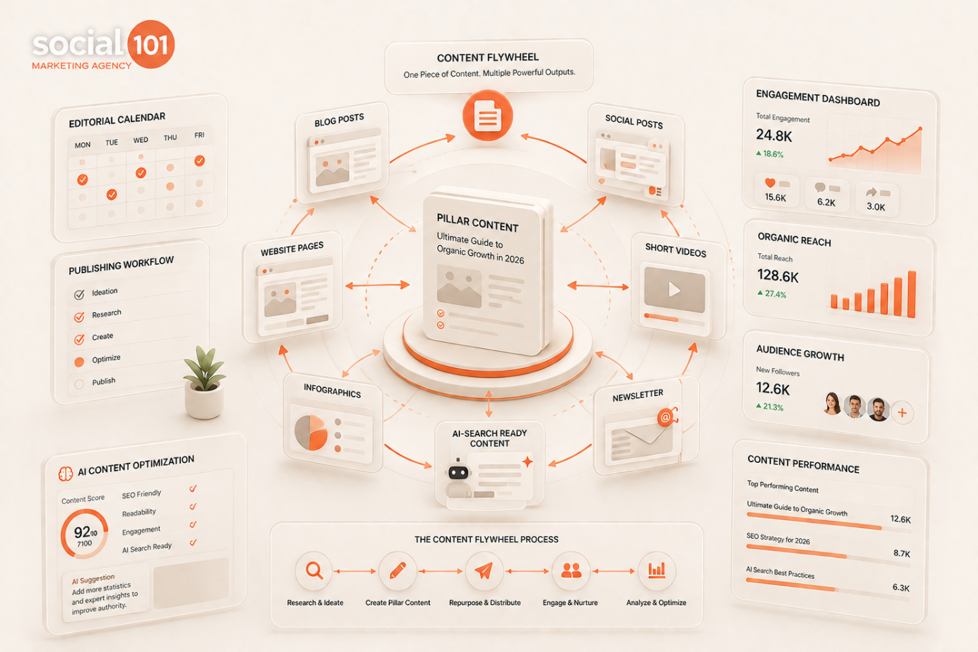
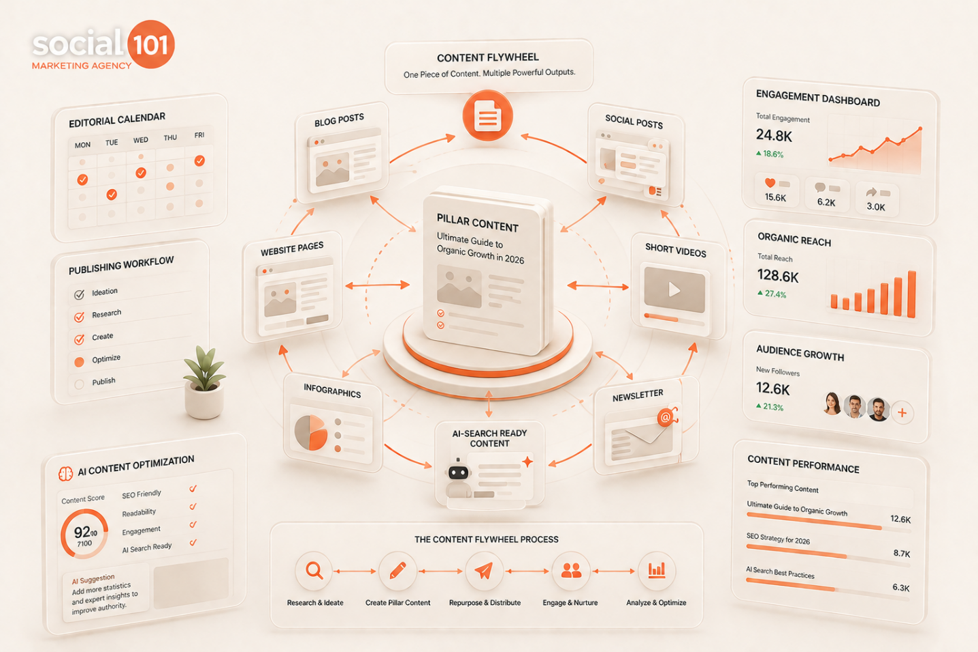
The 1 → 10 → 30 framework

  • 1 pillar asset per month: a deep guide, original research piece, detailed case study, or long-form video answering a high-intent question in your category.
  • 10 derivative assets: LinkedIn carousels, Instagram Reels, X threads, email newsletters, and short blog posts, each carved from the pillar.
  • 30 micro touchpoints: stories, comments, community replies, quote graphics, and reposts that keep the idea circulating for the full month.

This structure means one well-researched idea works across Google, AI assistants, and every social feed simultaneously the definition of a combined organic strategy. Tools like HubSpot’s content planning resources cover the operational side well; the strategic discipline is simply refusing to produce anything that does not ladder up to a pillar.

Putting It Together: A 90-Day Combined Organic Roadmap

Days 1–30: Foundation

  • Audit technical SEO, site structure, and page speed; fix crawl and indexing issues.
  • Define 3–4 topic clusters tied to revenue, and map existing content against them.
  • Standardize brand facts across the website, Google Business Profile, LinkedIn, and directories.
  • Add Article, FAQ, Organization, and LocalBusiness schema site-wide.

Days 31–60: Production

  • Publish the first pillar asset and its 10 derivatives across channels.
  • Launch founder-led posting on LinkedIn and Instagram (2–3 posts per week).
  • Rewrite top 5 traffic pages in answer-first format with direct, citable statements.
  • Begin outreach for 3–5 third-party mentions or guest features.

Days 61–90: Measurement and compounding

  • Run monthly AI visibility checks across ChatGPT, Perplexity, Gemini, and AI Overviews.
  • Track branded search volume, non-branded rankings, social saves/shares, and inbound inquiries, not vanity reach.
  • Double down on the cluster and formats showing traction; kill what does not.

Common Mistakes to Avoid in 2026

  • Publishing unedited AI-generated content at scale. Search engines and readers both detect it; thin AI content is the fastest route to losing entity trust.
  • Chasing platform trends without a pillar strategy. Viral moments without topical authority produce spikes, not growth.
  • Ignoring GEO because ‘AI traffic is small’. AI-referred visitors convert at dramatically higher rates because they arrive pre-qualified by the answer that cited you.
  • Measuring channels separately. Organic growth is a system; judge it on branded demand, qualified inquiries, and pipeline combined.

Conclusion

The businesses that will dominate organic channels in 2026 are not the ones with the biggest content budgets; they are the ones that operate SEO, AI search, social, and content as a single compounding engine. Start with one strong topic cluster, one consistent founder voice, and one honest measurement dashboard, and the flywheel builds from there.

If you want a partner to build and run this engine for your brand, explore how Social 101 combines marketing, sales, and technology consulting for growth-stage businesses, or browse more strategy breakdowns on our blog.

Frequently Asked Questions

What is the best organic growth strategy for businesses in 2026?

The most effective approach combines four pillars into one system: entity-based SEO with topic clusters, Generative Engine Optimization (GEO) so AI assistants cite your brand, founder-led organic social content, and a create-once-distribute-everywhere content engine. Businesses running these together see compounding returns within 90–180 days.

What is GEO (Generative Engine Optimization)?

GEO is the practice of structuring your content and brand information so AI systems like ChatGPT, Gemini, Perplexity, and Google AI Overviews cite your business in their answers. It relies on clear, factual, well-structured content, consistent brand data across the web, and third-party mentions.

Is SEO still worth investing in with AI search growing?

Yes. AI search engines source their answers largely from content that already ranks and is well-structured. Strong SEO is the foundation of AI visibility the two are complementary, not competing.

How long does organic growth take to show results?

Expect early signals of improved rankings, social engagement, and first AI citations within 60–90 days and meaningful business impact in the form of branded searches and inbound inquiries within 4–6 months of consistent execution.

How often should a business publish content in 2026?

Quality and structure beat volume. One deep pillar asset per month, repurposed into roughly ten derivative posts and thirty micro touchpoints, outperforms daily low-effort publishing on every metric that matters.

What is Digital Marketing? How can you make a career in Digital Marketing

Digital Marketing is a term we use to relate to all the online activities & efforts by companies to connect, communicate or engage with their audiences having internet access.

Resources like Search Engine, Social Media, Websites, and Emails are all used by marketers to connect with current and potential customers.

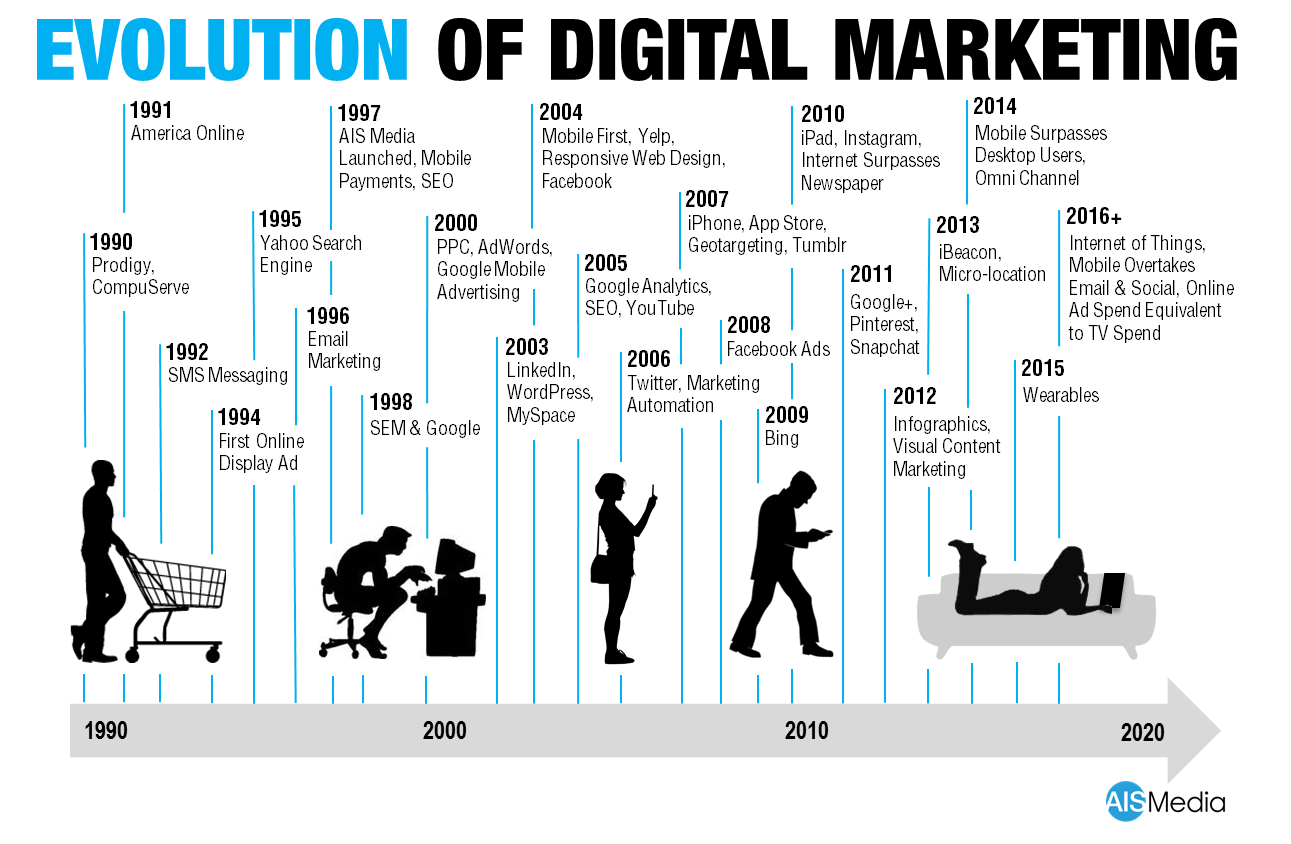
With the advent of advanced internet in the 1990s, people began to spend more time online than offline. In the 2000s, with mobile phones and laptops, more people got access to the internet and the accessibility helped marketers to find an effective way to attract, engage, and convert their target audience anywhere in the world.

The Evolution of Digital Marketing and Demand Generation in The ...

With internet penetration of more than 59% in the world out of which over 60% is through mobile phones, it has become very important for the brands to have their presence online.

What all is included in Digital Marketing?

Anything and everything that can promote your product or service to its right customer(s) online is a Digital Marketing tool.

Some very common and generally accepted tools are:

1. Website

It is a group of web pages with multimedia content and is generally used for creating primary online presence.

2. Blog Posts

It is a personal journal of an individual who shares his thoughts and ideas with like-minded subscribers on a frequent basis.

3. Email Marketing

Sending promotional mailers to a small or large number of people who have subscribed to your list.

4. Ebooks and White papers

Digital version of a book. It is generally used by marketers to attract leads for a product/service.

5. Social Media Marketing 

Promoting your brand through different social media platforms for engagement, brand awareness or attracting site visitors.

6. SEO (Search Engine Optimization)

Optimizing your website to rank higher on different search engine result pages, therefore increasing organic traffic.

7. Search Engine Marketing (Most common, Google Adwords)

Promoting or advertising your content on search engines such as Google using PPC (Pay-per-click) methodology.

8. Influencer Marketing

Using influential people to promote your brand online. Most common platforms for influencer marketing are Instagram and YouTube.

9. Online PR 

To get featured in digital publications, blogs, and other content websites. SImply, Offline PR using digital medium.

10. Content Marketing

Leveraging content  online in any form to drive action from your current or potential customers.

Why is Digital Marketing so important?

Accessibility

Your brand can engage with their current and potential customers in Real-time.

Reach

Your brand can communicate anywhere, anytime and with anyone with less than the fraction of offline marketing costs.

Customization

You can create different messages for different customers based on their preferences and personality.

What are the main ingredients to an amazing digital campaign?

It has to be an integration of 

Good Design

Worthwhile Experience

Knowledgeable Content, and

Latest Technology

How can you make a career in Digital Marketing?

Career in Digital Marketing Social 101

To become a successful Digital Marketer you need to follow these steps:

1. Think

Yes, the very first thing you need to do is to understand your passion and goals. What is it that excites you the most and kicks you out of your bed (or that NETFLIX marathon) everyday.

If the answer to that question is to create stories, imagine the impossible, influence people towards an idea, give a human voice to digital communications or as simple as sharing ideas/opinions on Social Media, you’re ready to jump in.

2. Be Online

Create a strong online presence by engaging in relevant conversations, discussions and arguments. Create and share original content online to create a fan-base and understand the dynamics of Online Media.

3. Feed your Creative Juices

Read Blogs, browse good design on Pinterest & Behance, watch youtube videos & podcasts, follow content-rich pages on Facebook & Instagram, and go through the top winning designs on Awwwards.

4. Learn through Online Courses (Opt for a Certification) &

Read Books

There are plenty of courses available (few of them for free) that you can avail at Hubspot, Udemy, EdX, and Coursera. My personal favourite is Hubspot Inbound Marketing & Complete Digital Marketing Course at Udemy. You can also buy books from Amazon to learn basic or advanced Digital Marketing, for a beginner ‘The New Rules of Marketing & PR’ by David Meerman Scott is a must-read. Also follow his informative blog here.

5. Network

Meet like-minded people in your college or LinkedIn or Alumni Association. Discuss your ideas with them and ask for reviews, you will get an unbiased opinion of how good/bad your ideas are. Don’t get demotivated by criticism, take it in a constructive manner.

6. Work, work, work

There’s no alternative to work experience. Look out for internships using LinkedIn, Internshala or LetsIntern. If you want to freelance, find your clients at Freelancer. If you don’t like both the options, start working on Dummy Projects (you dad’s business or your friend’s startup, anything) to build an amazing portfolio.

7. Say ‘Yes’ to anything

Don’t carry your pride while looking out for work, it won’t get you anywhere. Be ready to do every kind of work because there is no such thing as bad work experience.

8. Build your personal brand

Share your thoughts and ideas on online forums or through comments section in Blogs or Social Media. Become a LinkedIn pro by forming strong connection and engaging is frequent conversations. Publish and share your blog with everyone in your circle and offer free advice.

9. Form new ideas

It’s a good thing to get inspiration from others’ ideas and build your own around them but the world acknowledges only those ideas that are new & fresh. Try out new concepts, you have got nothing to lose.

10. Just f**king START

To make it possible you need to Start. Not tomorrow, not next week but today. You can always make time for things you love so don’t give me that bullshit. If you really want to be a Digital Marketer, start with a small step, but start Today!

If you want personal advice for your career or you want a Digital Marketing Agency who can do the hard work for you, I would love to meet and know you.

Content Marketing 101

Are you constantly creating digital content but still can’t trace your activities on Google? It may be because you ain’t following the tricks and tips to improve your ranking. So here is a proper guide on how to plan, create and rank your content on google.

You must be coming around a word Content marketing a lot these days. But do you understand what it is and how is it becoming the next big thing in the digital world?

So let’s get started.

Content marketing is all about using content to pull and retain visitors and ultimately turn them into customers. In other words, it’s the marketing of a business or brand by sharing the informative, entertaining, or insightful knowledge that will ultimately help readers improve their lives.

Content marketing is not the millennial thing, it has been rooted and traced 100 years back. It is just that we have fancified the traditional name for promoting or creating a buzz in the market for  a product. Content marketing is about telling a story, sparkling a conversation with your target audience. And we are doing this for a very long time.

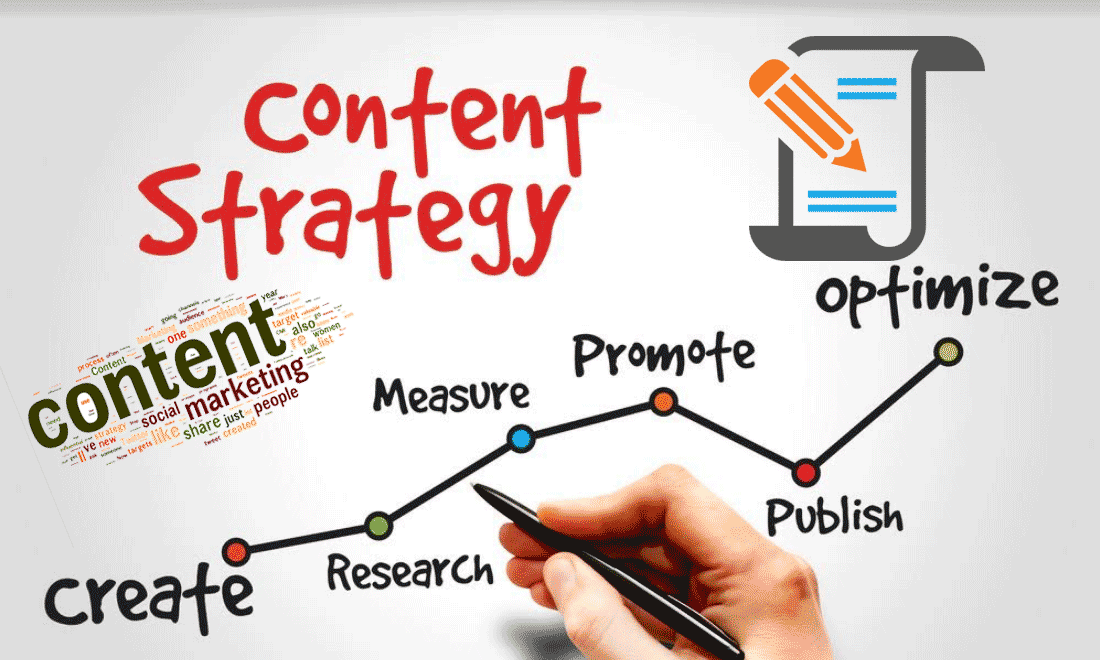
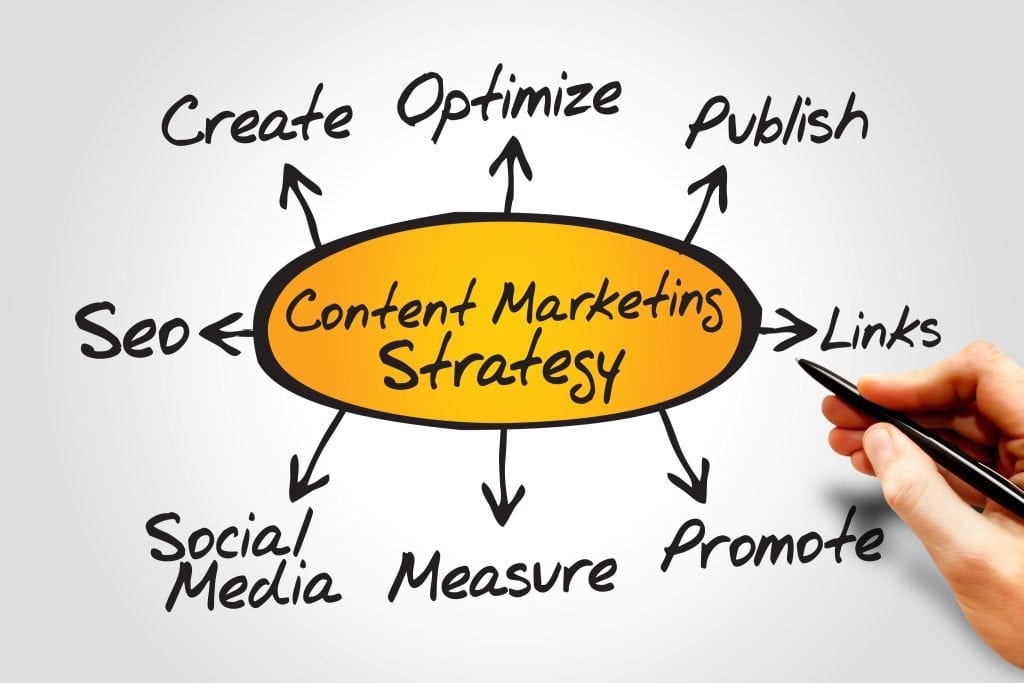
Whether you’re just starting with content marketing or you’ve been using the same path for a while, it never harms you to revisit your content strategy program — to make sure it’s up-to-date, innovative, and strong. There are several steps involved that can help you create a proper plan which can generate leads.

7 steps to creating a successful content marketing strategy

1. Set Your Mission and Goals straight

To start with your content strategy plan, set out a content marketing mission statement. A statement that makes it simpler to focus on what’s important – and what’s not – in creating your content likewise.

A mission statement should include target audience, type of content you will use to reach them and the benfits which they will derive.

2. Establish Your KPIs

The best way to achieve goals is to make them precise and measurable. That means placing key performance indicators (KPIs) for your marketing strategy. The KPIs will help you know when you have attained your goals by providing pillars you can check off.

It will include what can be planned to achieve in terms of revenue, sales, traffic, SEO, traffic and diverse viewpoints of digital marketing like email marketing and social media metrics.

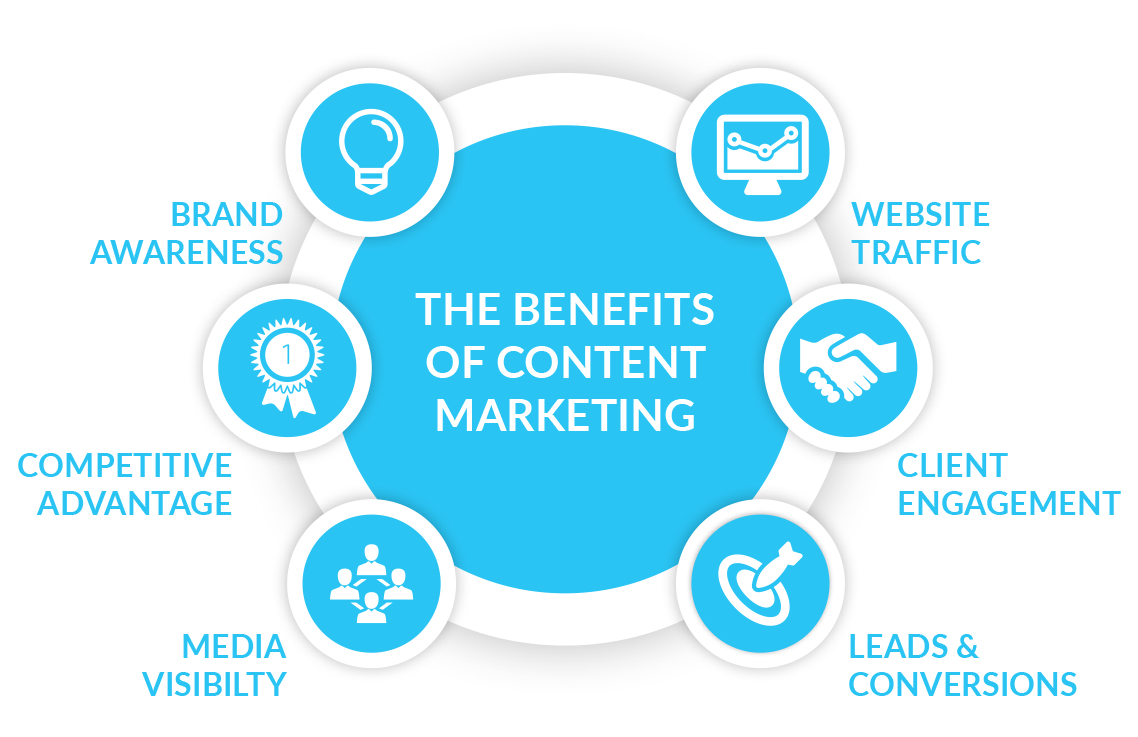
Why Your Business Needs to Invest in Content Marketing - Content ...

3. Know Your Audience

For a successful content marketing strategy, you’ll need to be clear about who your audience is so you can create the content accordingly. Collect demographics on your visitors, email subscribers, newsletter, subscription and social media followers.

You can create bio persona of your customers to know their interests, needs, their likings so that you can create customer centric content.

4. Figure Out the Best Content Channels

As you run through this process, you’ll start to get a sense of where your viewers are hanging out, and where you already have a thriving online appearance.

It’s best to focus on what’s working and expand from there, rather than to try new approaches every time. Blogs, Ebook, Videos are some of the trending promotion channels. Analyze which works the best for you and master your art in it.

5. Decide on Content Types

There are some content types that every content marketing strategy will include. Most successful strategies will rely on having a key focus of content published on your own site which can then be repurposed and shared on other sites.

Even if you are planning to write about news and current events, the chances are some other blog is going to knock you off with the story. Even worse, only 7 out of 10 people read titles but only 2 out of 10 will click through.

That means if people feel your content isn’t interesting or that they already know a lot about the subject and the quality of your content won’t matter. In other words, if you don’t write something new and amazing, it won’t do well.

Content Marketing with WordApp is Hassle Free and great for you site

6. Identify and Allocate Resources

Now that you know what type of content you’re planning to create, who it’s for, and where you’re intending to share it, it’s essential to make sure you have everything you need to deliver on your strategy.

Try to make a questionnaire on your issues and plan accordingly. Instead of gathering new resources try always to rely on traditional means which work for you.

7. Create a Content Calendar

Finally, it’s time to evaluate the success of your content marketing strategy. To do this, you’ll return to those KPIs you set at the beginning of the plan, and see what’s grown and whether you’re hitting your targets.tent organized.

There are several ways to do this. For example, you can use Google Calendar and simply put the due dates for each piece of content there. That works pretty well, especially if you’re not publishing a lot of content.

8. Create Content

As you’ve seen, there’s a lot of prep work in your content marketing strategy before you actually create a piece of content. But now it’s time to do just that. Try using a blog post as your reference, as these tips will work for almost any type of content creation.

This means doing a Google search, checking out the topmost content, and seeing how you can enhance it. That’s called the skyscraper technique. Now it’s time to pluck a title from the content list and start working on it.

Trying writing your blog using the trending keywords and SEO based as it is the most impactful in Content Marketing. Finally, start writing or creating your content. At this point, you’ll have to think about how to exhibit your brand’s personality in the content you write.

9. Measure Result

Finally, it’s time to evaluate the success of your content marketing strategy. To do this, you’ll return to those KPIs you set at the beginning of the plan, and see what’s grown and whether you’re hitting your targets.

To do this, you can:

  • Check Google Analytics to check how your content is performing
  • Measure social sharing activity and other social analytics tools
  • Analyze the conversions.

This is a lot of information, but the challenge has just begun. It takes time, organization, patience, exclusive content and creativity to create a successful content marketing strategy.

From building the foundation to keep adding tools to better manage your content, setting up your strategy for the new blog won’t be a hassle if you follow the steps, tricks and try the resources mentioned above.

Let us know your thoughts in the comments below.

Grow your Business with Efficient Keyword Research

Have you ever had the trouble of getting your ads across in the online world? You might feel like your business has very little recognition in the online market. You can find the solutions to all these issues with a quick read further on.

A simple keyword research helps you analyze and compare the content of your website with others. You need to identify certain words and phrases which would be involved in a common search by your potential customers. When a user types in these words on their search engine, their results page should lead them on to your website. Your content should be better than that of your competitors so that you could be readily found. This will generate more traffic to your website and consequently increase your revenue.

Use it to improve your SEO

An efficient keyword research can contribute towards increasing your overall SEO score. SEO refers to Search Engine Optimization. Let’s take Google as an example for a search engine. That’s where millions of users find their answers in a systematic way. Search engines like Google scan your content and check its relevance to the users. If it is well-phrased and meets the wishes of the common man, it will be displayed as one among others on the first Search Engine Results Page. This will increase your brand’s reach out to new people every day.

Your material should be worth reading and provide an experience to remember. The more customers you attract, the higher will be your SEO rank. Explore your best opportunities and its possibilities and bring a change to your business outlook!

How to do it

Now that you’ve planned your website content and the show is ready to start, you need you add one final touch. A keyword research is what will fill up the seats with your audience. There are a number of ways to go about the process. Let’s get started!

Google Ads provides a number of keyword planning tools that help you out when you’re new in the market. Google’s Keyword Planner consists of various suggestions related to your brand’s content. These suggestions will assist you and plan your keywords and phrases easily.

Google Keyword Planner – Tutorial Guide For SEO in 2020

Brainstorming

Once you’re set in the field and you know the rules, try to brainstorm new keywords by analyzing your content. Be innovative and try to mix and match words which go hand in hand with your brand. The better your keywords, the better will be your leads.

Go through the keyword difficulty scores before finalizing on your terms. Check out the competition and their keywords to get an idea of what you need to aim for. Shorter phrases work best since search queries are usually short and precise.

Choose wisely

If a keyword such as “perfume” is used too often, the chances are that your website may not appear on the first page of the search results. Instead, “flower perfume” may be searched for fewer times, giving you an advantage with your SEO ranks.

Keep the long-tail keywords simple and concise, so that your website is easier to find. Keep on optimizing your phrases and make sure to always be aware of the trends. Gradually move on to increase the quality of your content and you’ll surely be at the top of the market in no time.

Keyword Research | Totally SEO

Make your mark

Build your authority over a specific keyword and stay on top of the search results page. You can do this by identifying the less searched keywords and implementing those in your strategies. Plan out your blogs and product landing pages well enough to impress the customers. Increase the crowds with your valuable content and people will want to keep coming back for more.

Use Google Analytics

Once you’re done with the process of setting up your keywords and phrases, you need to check its’ success rates. Google allows you to bid a specific amount to be paid every time someone clicks on your ad. This is a budget-friendly technique you can use to acquire new users.

You can target your audience smartly by launching sample campaigns. The performance of these projects will assist you in understanding what needs to be improved upon. Learn from your mistakes and be adaptable to the market’s craze. Specify your clientele’s demographics so you don’t waste the time of users by showing irrelevant content. This will help you go further and beyond, reaching your goals faster.

While tracking your metrics, you can check the number of visits to your website and spark the users’ interest. Engage them completely so that they spend more time on your website and convert their visit to a purchase. This will affect your rank in the search results page and improve your value by a considerable amount.

Google Analytics & GDPR | Compliance Checklist | Cookiebot

Exploit your Benefits

Keywords is a powerful tool in the playing field of the dynamic range of digital sectors. It is the first step the client will take to discover your website and click on that link. This is your chance to exploit it to its extreme limits and get the best results. Get ready for another skill quick to learn and easy to master. Examine the various aspects of your brand and choose your tactics well. Learn the tips and tricks of the technical aspects and use them to get ahead of your competitors. It’s no rocket science. If they can do it, so can you!

Get Started

You’re all prepped with the techniques to go about your plans for growth. Your will to gain leads and reach the peak of success will be fulfilled with the most important tool of digital marketing. Plot your directions on the map with planned keyword research and achieve your goals. Get started with a fresh mind and a new scope to reach your target!